Page Not Found
Page not found. Your pixels are in another canvas.

A list of all the posts and pages found on the site. For you robots out there is an XML version available for digesting as well.
Page not found. Your pixels are in another canvas.
About me
This is a page not in th emain menu
Published:
This post will show up by default. To disable scheduling of future posts, edit config.yml and set future: false.
Published:
This is a sample blog post. Lorem ipsum I can’t remember the rest of lorem ipsum and don’t have an internet connection right now. Testing testing testing this blog post. Blog posts are cool.
Published:
This is a sample blog post. Lorem ipsum I can’t remember the rest of lorem ipsum and don’t have an internet connection right now. Testing testing testing this blog post. Blog posts are cool.
Published:
This is a sample blog post. Lorem ipsum I can’t remember the rest of lorem ipsum and don’t have an internet connection right now. Testing testing testing this blog post. Blog posts are cool.
Published:
This is a sample blog post. Lorem ipsum I can’t remember the rest of lorem ipsum and don’t have an internet connection right now. Testing testing testing this blog post. Blog posts are cool.
Drug discovery project employing machine learning techniques to predict bioactivity against BRAF. 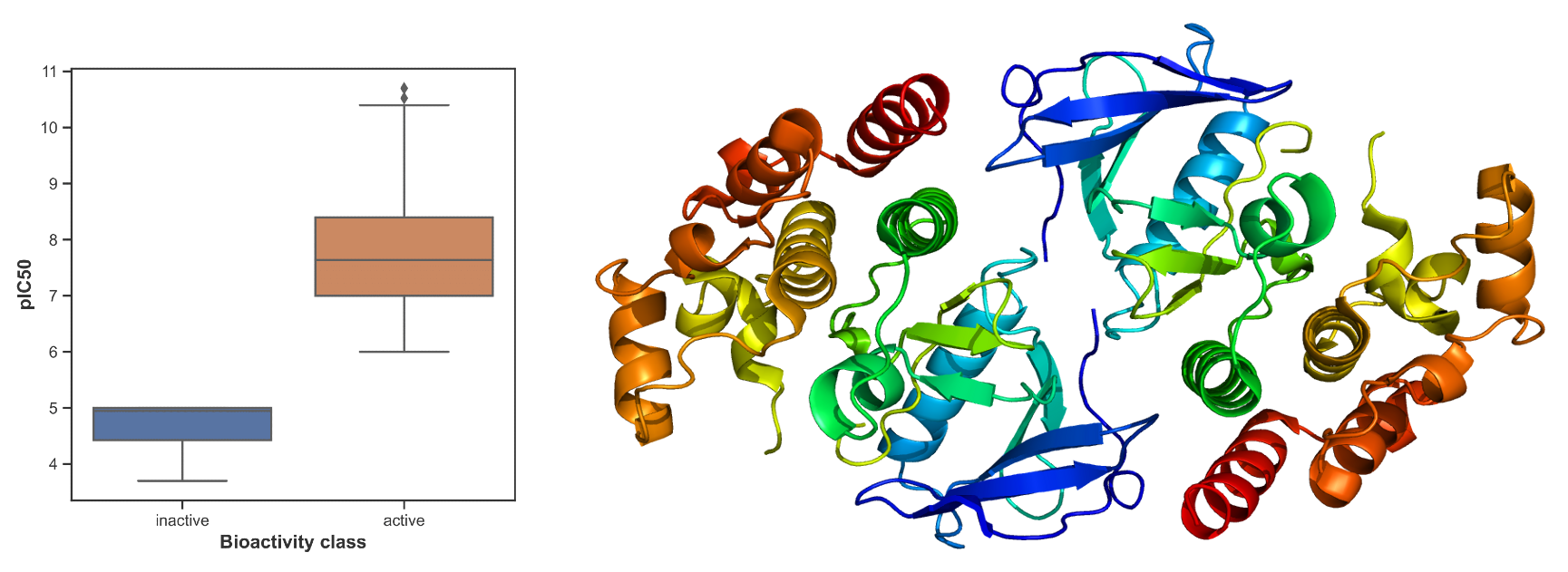
Differential gene expression analysis of RNA-Seq data on four human airway smooth muscle cell lines treated with dexamethasone. 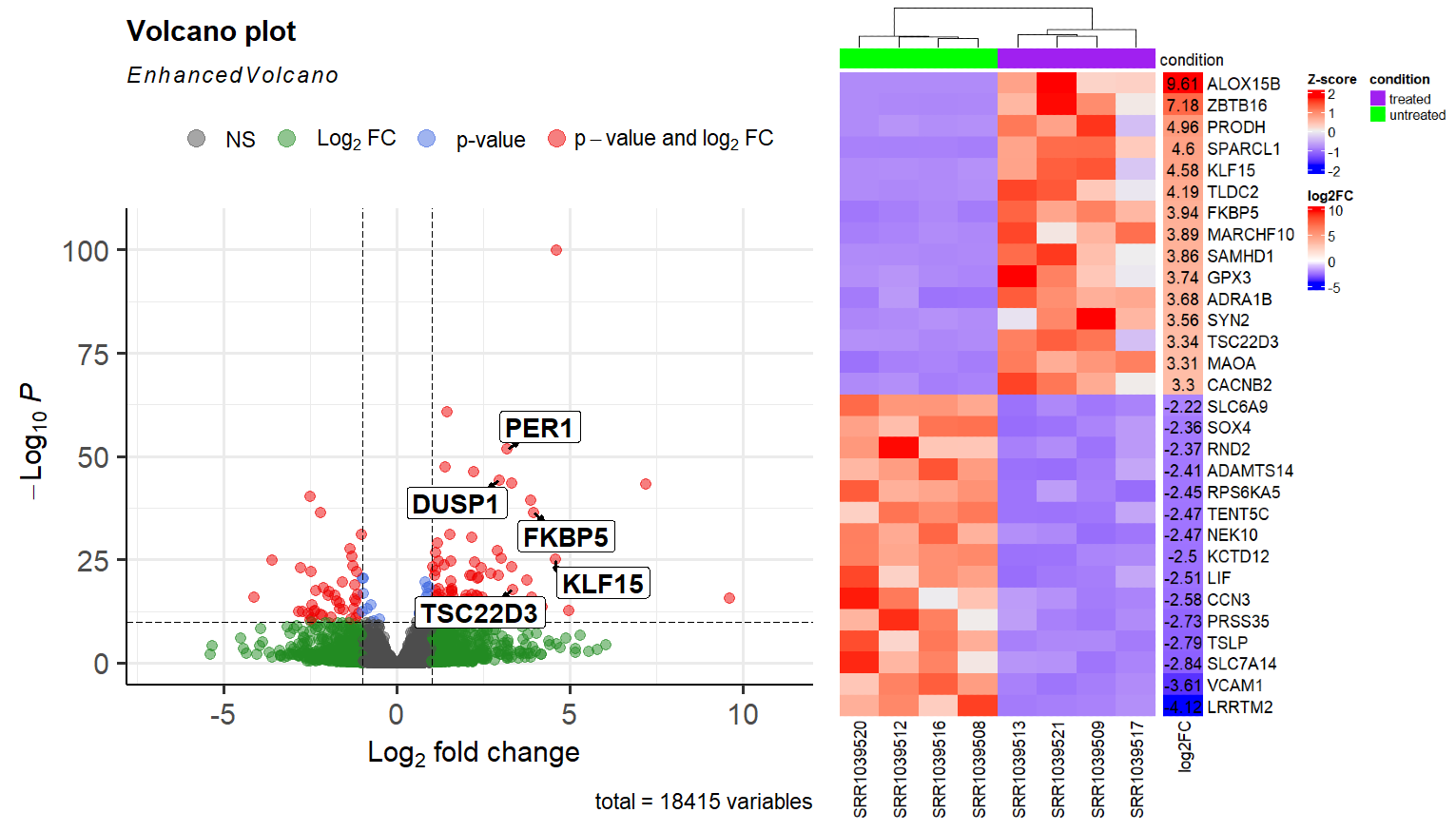
Implementation of a simple 2D protein folding model. 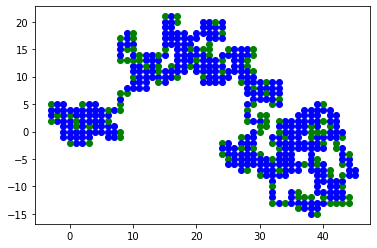
An image analysis pipeline for detecting different cell phenotypes in breast cancer cells. 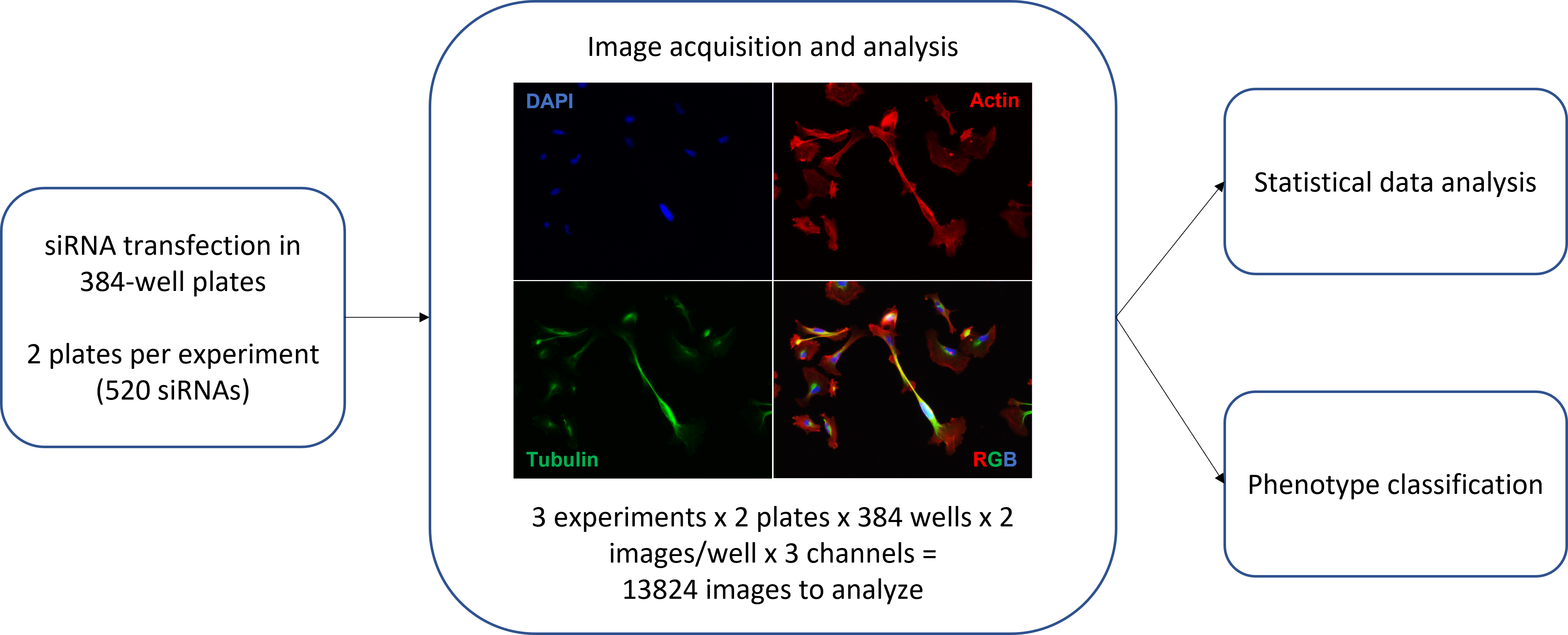
Building of a linear regression model for predicting the solubility of molecules. 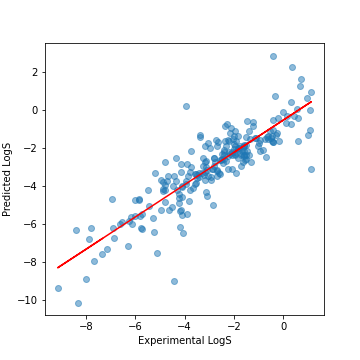
Implementation and comparison of global and local sequence alignment algorithms.
Published in Expert Systems with Applications, 2024
The amplification of the 16S ribosomal RNA gene through the polymerase chain reaction (PCR) is the main approach to profile bacterial communities. This gene is a widely used marker with a composition that allows the identification of microorganisms at the genus or species levels. The correct performance of a PCR assay depends on the properties of the chosen set of primers that match with the target 16S sequences, allowing the amplification by a DNA polymerase. For this reason, optimizing the design of primers attending to such multiple properties is crucial to ensure the specificity and robustness of this process. However, only one multiobjective proposal exists that addresses the optimization of primer design targeted to the 16S gene amplification. Herein, we propose a novel approach for multiobjective primer optimization based on a mutation-based genetic algorithm with three new problem-aware mutation operators, each aimed at covering one of the three objectives that compose the problem (efficiency, coverage, and variability). The proposed algorithm has been tested on 5 real datasets of bacterial 16S gene sequences. The results have been evaluated using 4 quality metrics, showing that our approach achieves statistically significant improvements with regard to the reference multiobjective approach in the field.
Recommended citation: "GADPO: Genetic Algorithm based on Dominance for Primer Optimization". Fernando M. Rodríguez-Bejarano, Miguel A. Vega-Rodríguez, Sergio Santander-Jiménez. Expert Systems With Applications, Volume 238, Part D, 122206, Pergamon-Elsevier Science, Oxford, England, UK, 2024, pp. 1-15, ISSN: 0957-4174. DOI: 10.1016/j.eswa.2023.122206. (JCR impact factor = 8.5 in 2022, Quartile = Q1) https://doi.org/10.1016/j.eswa.2023.122206
Published:
This is a description of your talk, which is a markdown files that can be all markdown-ified like any other post. Yay markdown!
Published:
This is a description of your conference proceedings talk, note the different field in type. You can put anything in this field.
Undergraduate course, University 1, Department, 2014
This is a description of a teaching experience. You can use markdown like any other post.
Workshop, University 1, Department, 2015
This is a description of a teaching experience. You can use markdown like any other post.